



A collaboration between the Center for the Future of Cities (CFC) at Tecnológico de Monterrey, MIT, and Northeastern University set out to answer that question—and left behind a working environmental monitoring network in the process.
The challenge
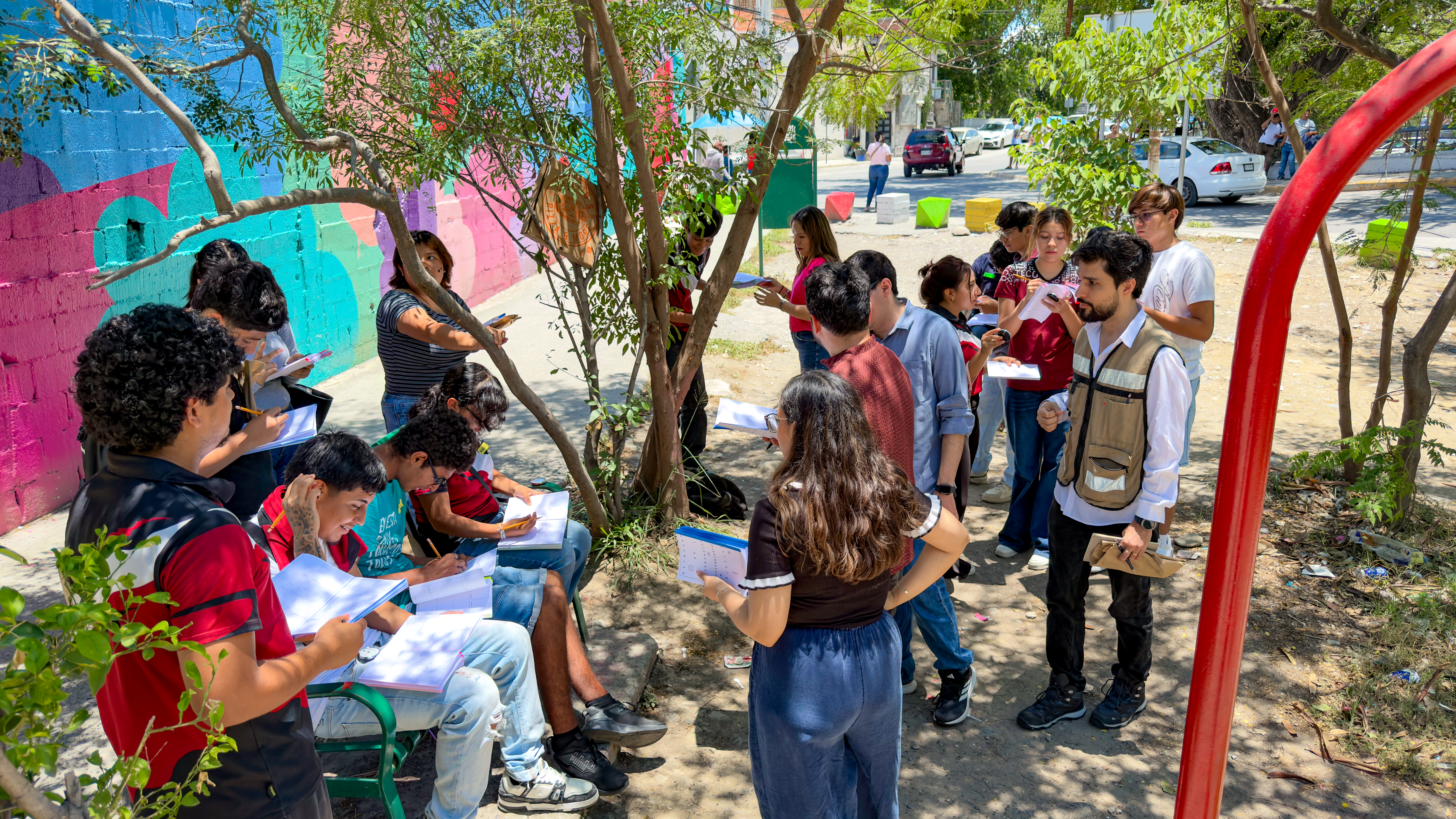
Arroyo Vivo, an urban stream in Monterrey, faces pollution, waste accumulation, and other environmental pressures. Designed between May and June 2026, the workshop blended science, technology, and art to give students at CBTis 99 the tools to understand—and measure—the conditions shaping their community.
Sensing, building, reflecting
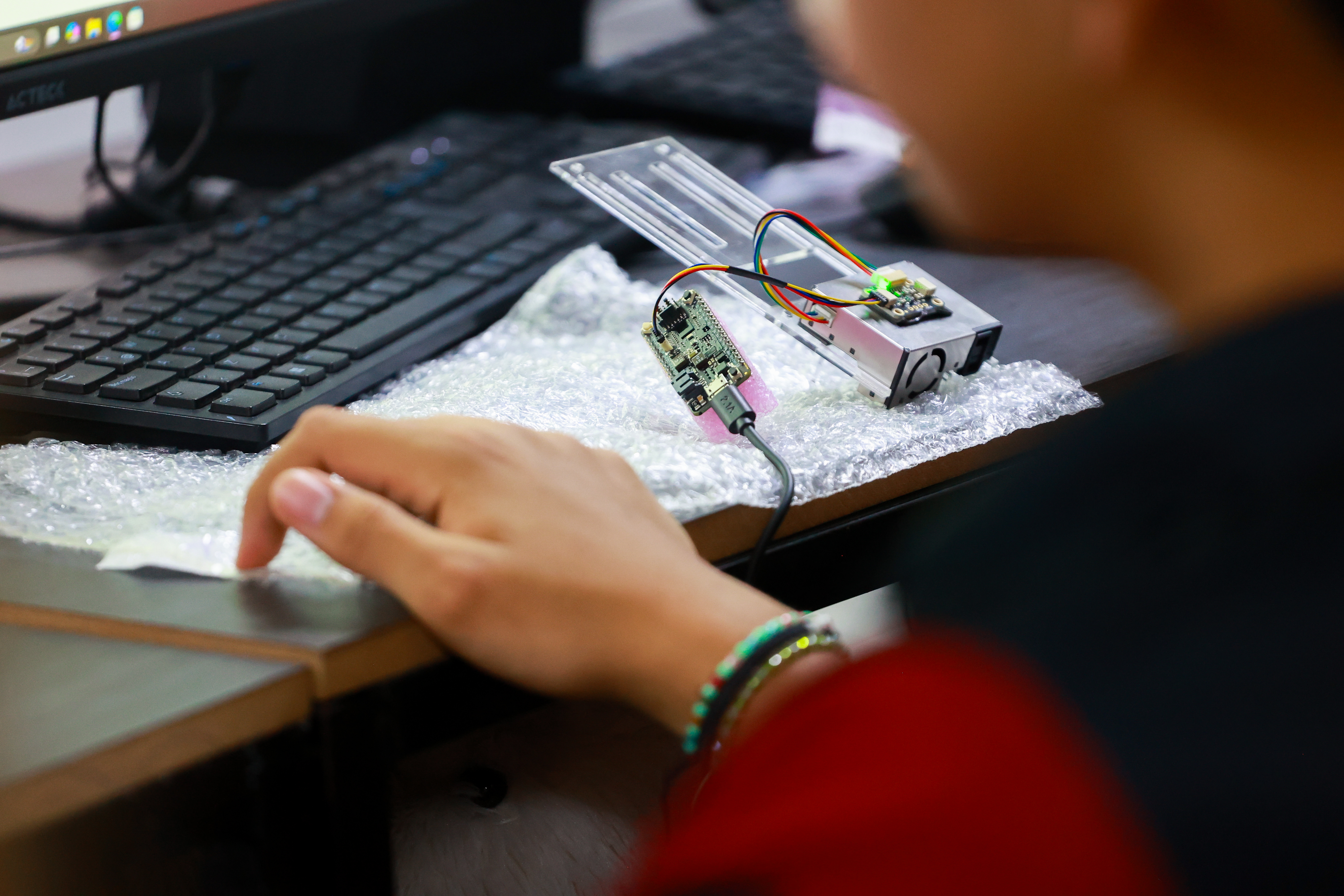
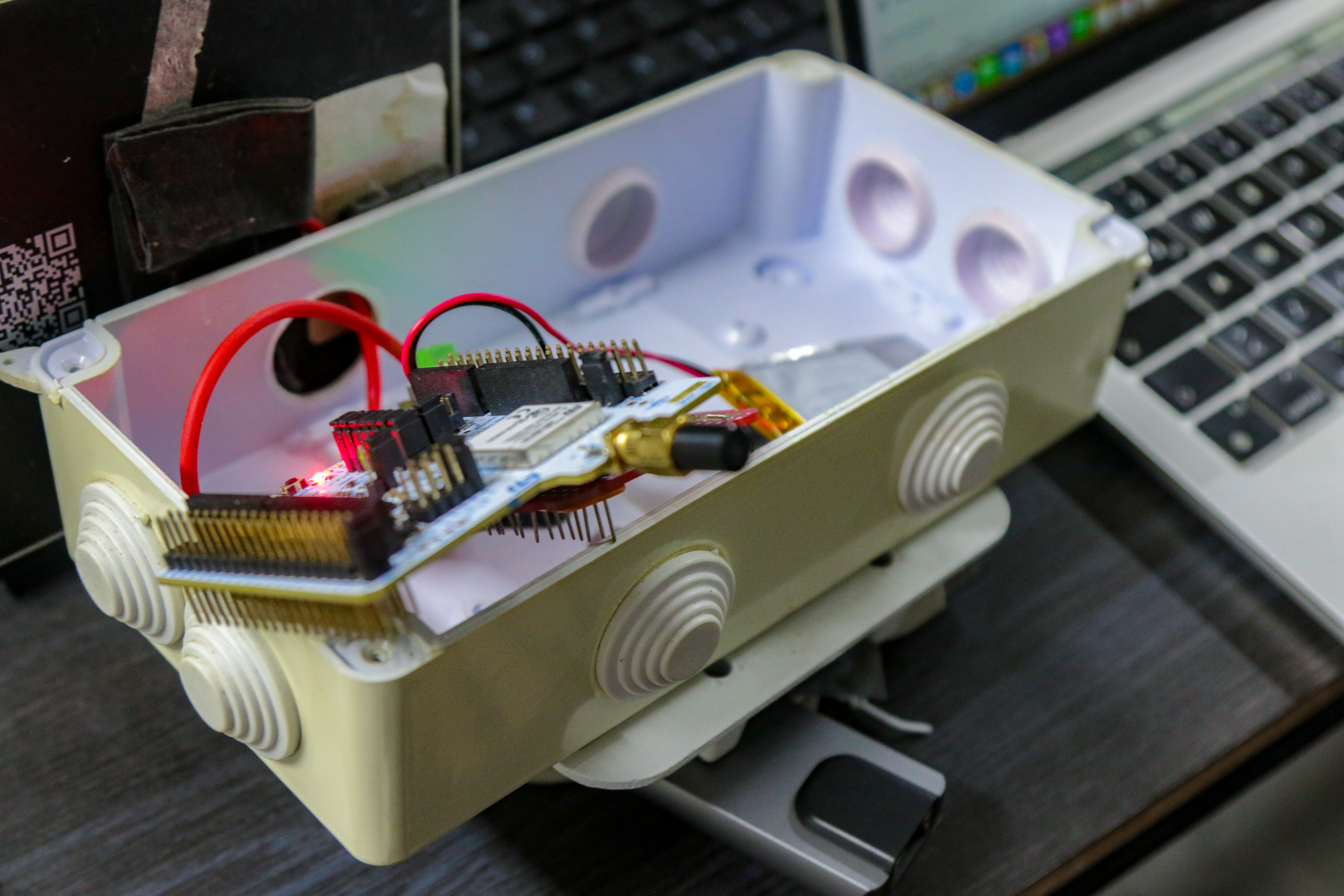
Over four sessions in June and July, students moved from perception to data to insight:
The impact didn’t end with the last session. The sensors remain installed at CBTis 99 and have been collecting data continuously since July 2026—turning a short-term workshop into ongoing environmental monitoring rooted in the community.
What’s next: Mexico City
The team is now exploring a replication in Distrito Tlalpan, Mexico City. Rather than transplanting the model as-is, the next phase starts by listening: identifying monitoring locations, relevant environmental variables, and participating communities, so that activities are designed around local needs and challenges. If successful, the approach could become a template for community-led environmental sensing in cities across Mexico.